In Conversation
INTERVIEW WITH PENÉLOPE MELERO FROM LE VOILÀ
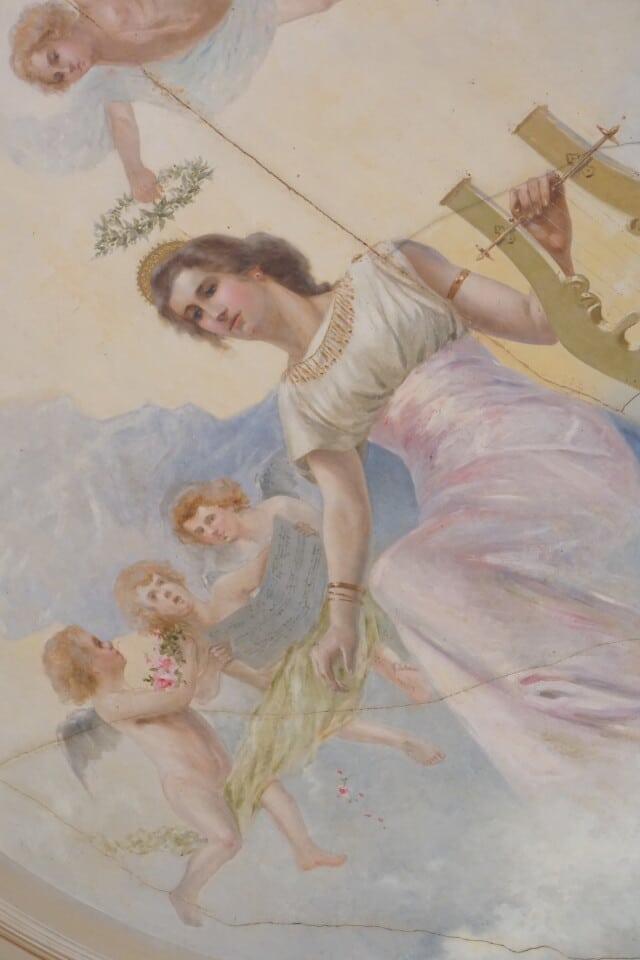
On a quiet street in the centre of Seville, there is a place where time seems to stand still. Under a ceiling painted in 1897 by Sevillian artist José Rico Cejudo, Penélope Melero's hands shape pieces that are born out of gesture and emotion
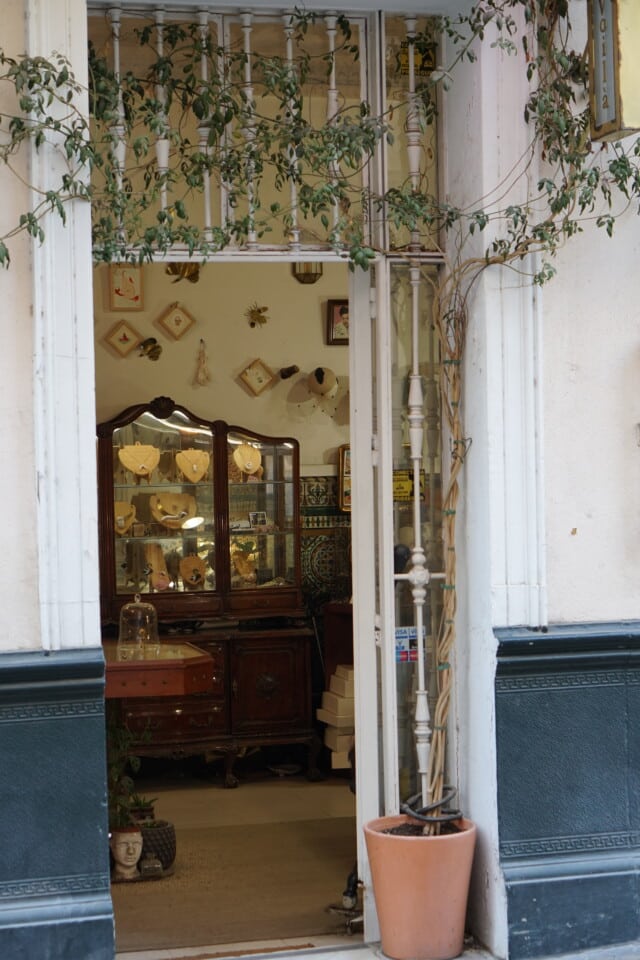
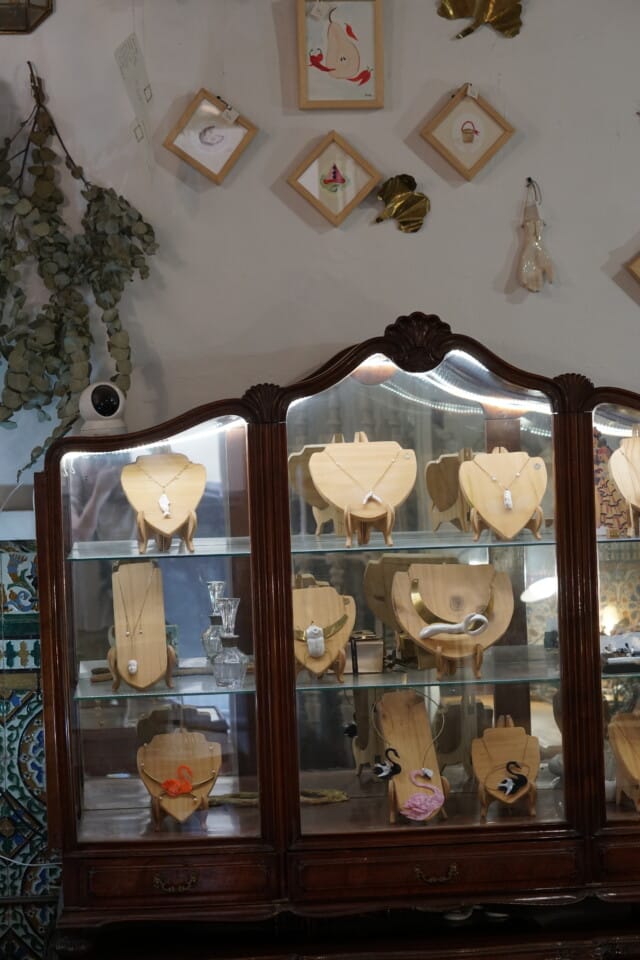
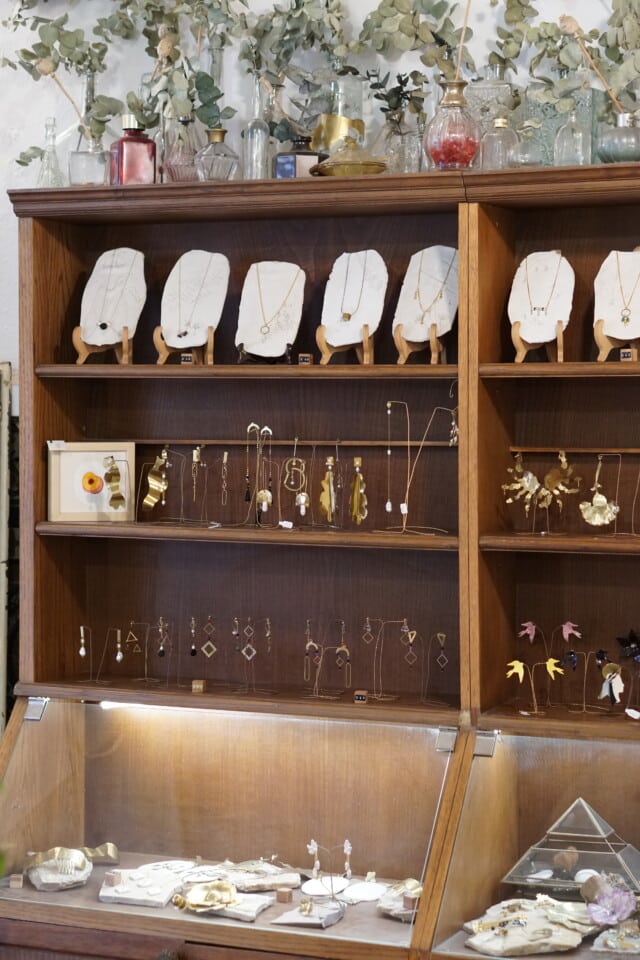
Her shop-workshop, Le Voilà, is a small celebration of bespoke beauty, of detail as language and of the dialogue between past and present.
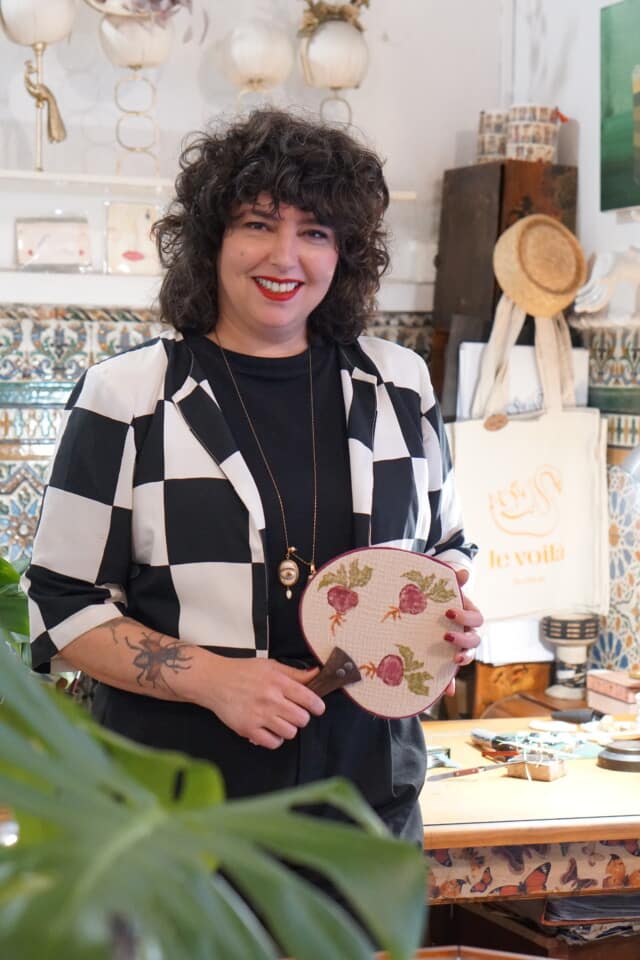
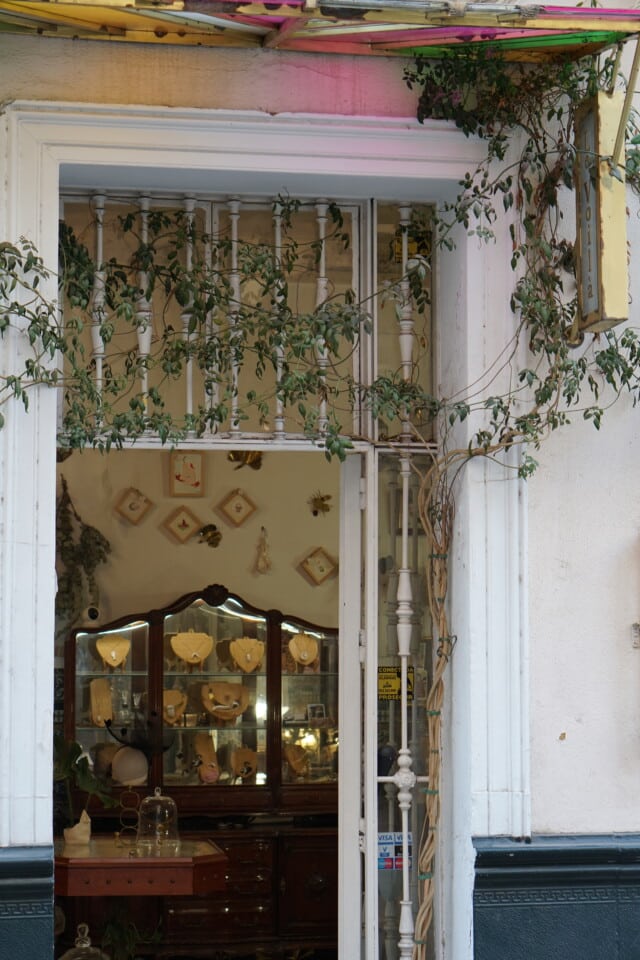
Le Voilà was born and continues to live in the heart of Seville. What role does the city play in your creative process?
The city offers an everyday intensity—the light, the noise, the way people live on the streets—that greatly feeds the gaze. Everything is on display here: people dress up, express themselves, occupy space with a certain natural theatricality. That social energy reminds you that creation can also be a public gesture, that pieces are not just objects, but part of a shared ritual. I would say that my creative process is permeated by that tension between the local and the universal, between the exuberant and the sober, and sometimes both at the same time.
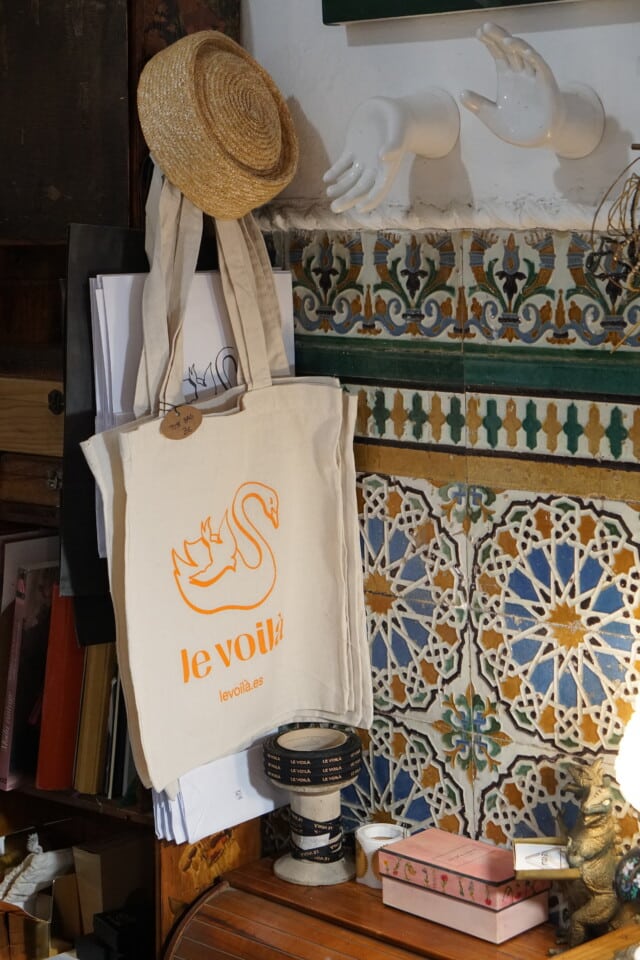
Seville has a very particular way of understanding beauty, detail, celebration… How does that essence dialogue with your work? Do you feel that the city has taught you to look at materials, light or even colour in a different way?
Here, beauty is celebrated without complexes, which is both liberating and challenging. In Seville, everything competes with excess: the architecture, the official and unofficial festivals, the dresses, the flowers, the voices. Sometimes the visual saturation forces you to find your own rhythm. The light in this city is unforgiving: it changes the nuances. It is everyday observation, it is activity. I understand light as just another material.
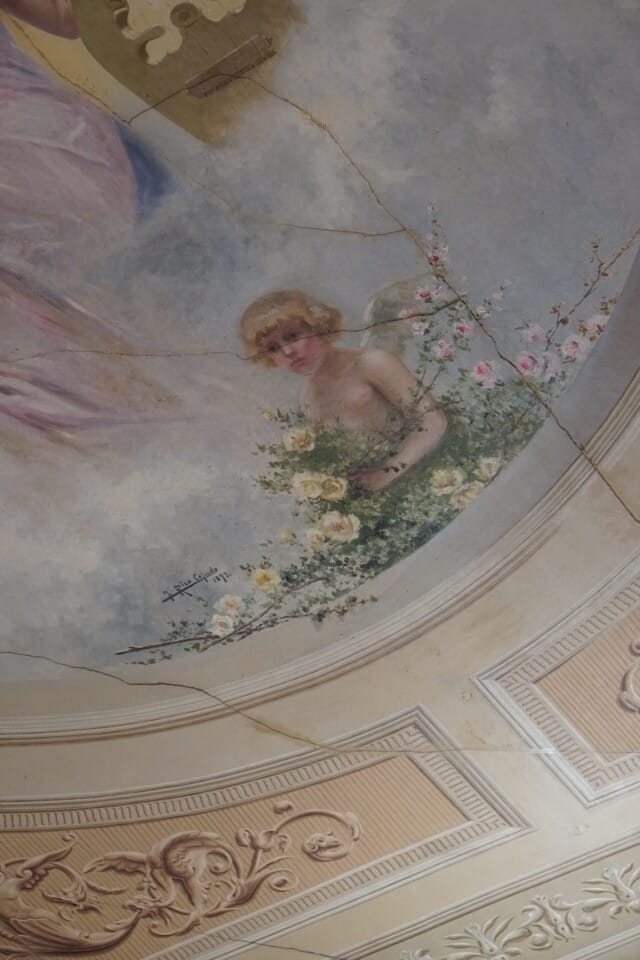
Your workshop is located in a space steeped in history, crowned by an 1897 fresco by José Rico Cejudo. How does such a unique environment influence your daily life?
Working under a late 19th-century fresco gives you a certain sense of continuity: it places you within a chain of trades that has been operating in the city for centuries. It’s not just a decoration, it’s a silent presence. In an environment so steeped in memory, the key is to maintain freshness: to allow contemporary materials, experiments and trials to coexist with that presence. It’s a curious balance: working in a place with a soul forces you to look further ahead.
“Manual work is a conversation. It is not a solitary act, but a dialogue between the body, the tool and time“
Very much in line with the previous question, your aesthetic universe draws on the artistic avant-garde of the 20th century, but also on nature and everyday life. How do these worlds coexist in your mind?
What is neither classic nor modern endures without being overexploited by absolute market trends. I am interested in the avant-garde because of its ability to question form and liberate the gaze. Past, present and future.
I embrace nature as a beautiful, unfathomable and precise chaos. No one questions that beauty. Stories are told between the twisted lines and geometric patterns of butterfly wings, for example. I don’t work or create pieces for a display case, but for people who like each other, move, hug, celebrate… That mixture allows me to create pieces that have structure and intuition
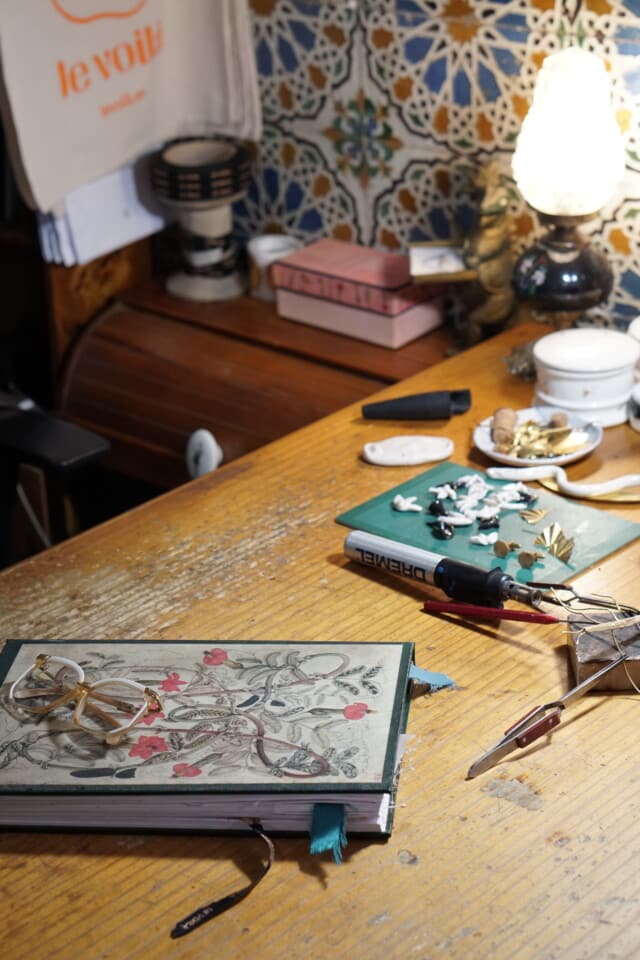
You have said that you enjoy “trying out materials, textures, touching”. What is it about the manual gesture that cannot be replaced?
Let’s go back to intuition for a moment. Manual gestures are common to all of us. You don’t have to think about whether a cupcake will taste good. You touch it, smell it, and you know. Your hand knows before your head does. When you touch a fabric, a fibre or a metal, you can already sense its temperament, its flexibility, its resistance, although without experience you might eat a cupcake that has gone bad.
Manual work is a conversation. It is not a solitary act, but a dialogue between the body, the tool and time. That’s why I find it hard to think of Le Voilà as just a brand. I prefer to see it as a permanent rehearsal space, where doing is part of thinking. And if one day I make a hard cupcake, I use it as a paperweight.
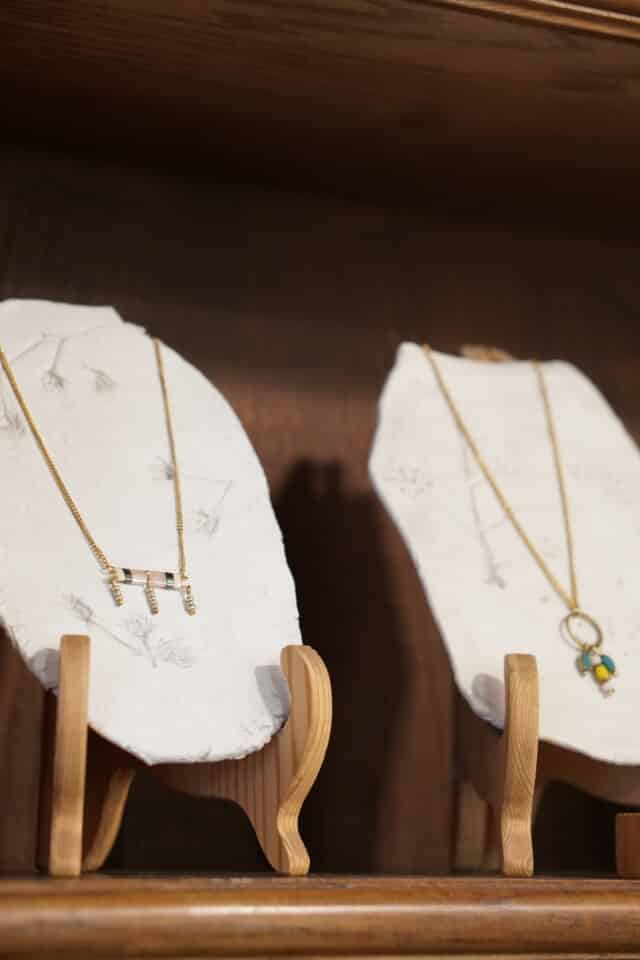
At Le Voilà, you don’t just sell pieces, you create bonds. What is the dialogue like with customers who come in looking for “their” headdress or accessory? Do you remember any special stories behind a piece or a bride that has left a mark on you?
Every assignment is a bit like a portrait. Dialogue with clients is an essential part of the process. I don’t design for an abstract figure, but for a specific person, with their gestures, their shyness or their confidence. Conversations, trials, even doubts, are all part of the construction of the piece.
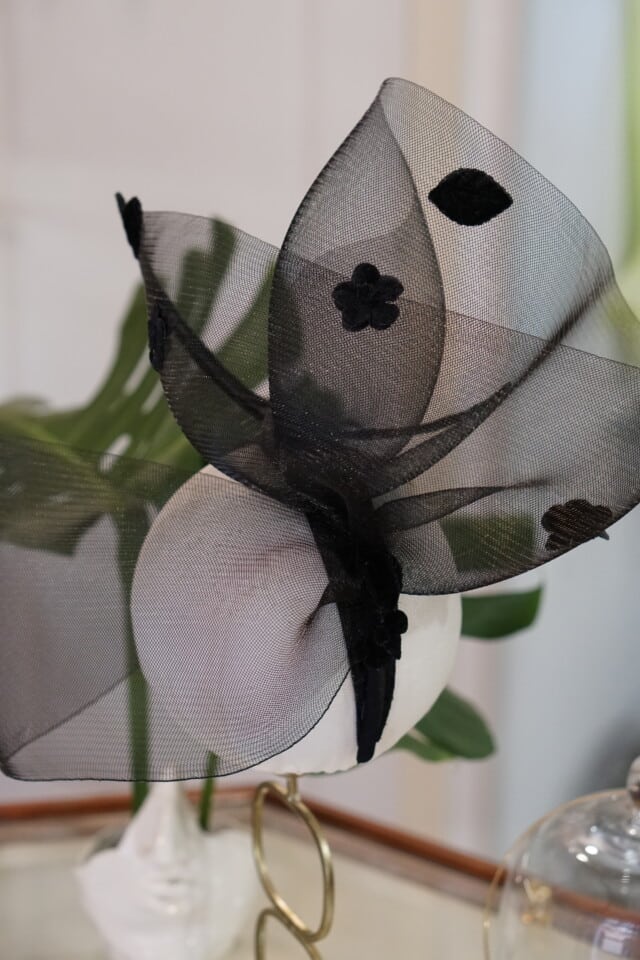
I especially remember a travelling bride who came to Seville, almost by chance. She walked into the shop and suddenly told me that she was getting married in a few months and wanted me to make her a headdress that ‘didn’t look like a headdress’, something light, not too modern and without explicit references to Andalusia. I literally modelled it on her head and told her to come back in two days. When she put it on, she smiled and said, ‘I didn’t know what I wanted, but now I know it’s this.’ This sums up the brand name very well: ‘This is it! Here it is!’. That short phrase encapsulates what I am looking for: pieces that transcend local codes but still have soul. In addition to the piece or a customer with an anecdote, the people who have trusted me over the years are very important. I am lucky to have made brides who come back for their daughter’s christening bonnet and communion headdress. That is really comforting and creates a bond.
And finally, what do you dream Le Voilà will still be in ten years’ time?
Rather than imagining a fixed destiny, I would like Le Voilà to continue to be a meeting point between trade and experimentation: a place where manual tradition continues to be valued, but without nostalgia. A place where craftsmanship can dialogue with technology and materials research.
And above all, I would like it to maintain its own unique tone: a balance between the south and the world, between the familiar and the contemporary. I would like it to remain rooted, but without standing still. That would make me happy.