TIME TO ENJOY
WHAT SEVILLE OWES TO WATER
The Guadalquivir, courtyards, and reflecting pools. A historical and sensory exploration of how water shaped the soul of Seville—and why Plácido y Grata is the perfect place to listen to it.
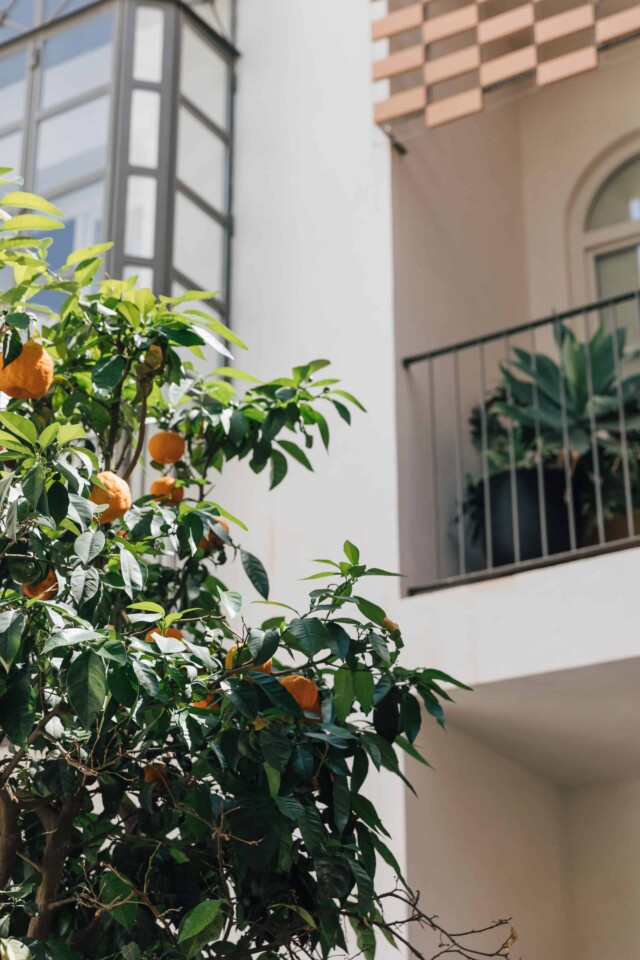
Antonio Machado captured it with a precision no travel guide has ever surpassed: his childhood was made of “memories of a courtyard in Seville / and a bright orchard where the lemon tree ripens.” The water of the fountain, the fruit reflected in its still surface. For Machado, Seville was not a city—it was a courtyard. And in that courtyard, always, the sound of water.

Memories of a Courtyard in Seville
Some cities owe their character to stone, others to the wind. Seville owes it to water.
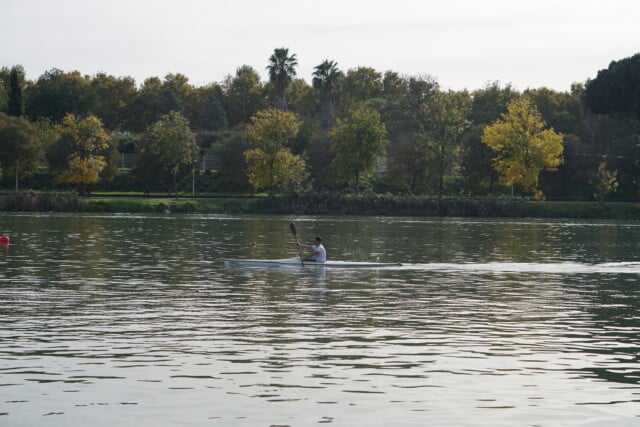
Not only to the Guadalquivir, that broad, slow-moving river the Arabs called Wad al-Kabir—the Great River—which for centuries shaped the city’s economy and imagination: its port, its gateway to the world, the route through which the wealth of the Americas arrived and the dreams of those who sought it departed. It also owes its identity to another kind of water: quieter, more intimate. The water that murmurs within its courtyards.

During the Andalusi period, the city’s inhabitants developed a sophisticated network of irrigation channels, waterwheels, and canals that made water a structural part of daily life: baths, gardens, orchards, and fountains. The management of water—through cisterns, mills, and fountains—was essential to the city’s growth, giving rise to an architectural language unlike any other. That language can still be read today in Seville’s courtyards: those liminal spaces between street and home where water served practical and symbolic purposes alike. It cooled the air. Marked the passing of time. Invited people to pause.

“That language can still be read today in Seville’s courtyards”

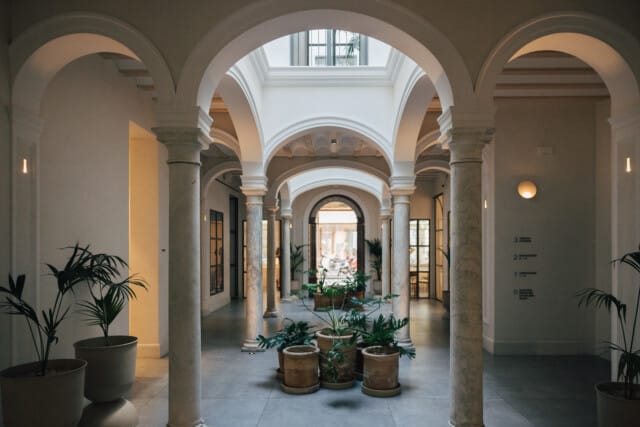
The Andalusian courtyard emerged as both a climatic and philosophical response to heat—a way of creating an interior that was also an exterior, a place where the sky could enter without bringing the noise of the city with it. Over centuries, the fusion of Roman and Islamic traditions gave rise to a culture of courtyards that remains one of Andalusia’s most distinctive legacies. Water, at its center—in the form of a fountain or reflecting pool—was the axis around which everything else revolved. Without it, the courtyard loses its reason for being.
The play of light and shadow, the gentle murmur of fountains, the plants that bring freshness to Seville’s patios and gardens: these are the elements of a culture that learned to make water not only a resource, but also an aesthetic language.

A Courtyard, a Fountain, a Clear Afternoon
At Plácido y Grata, that ancient logic still endures. The courtyard fountain is not an ornamental feature; it is the reason the courtyard exists as a living space. The sound of water flowing over stone does what it has always done in this city: slow things down, bring focus, restore a human scale to life. In the suite, the reflecting pool extends that conversation between interior and water, between rest and the sensory pleasure that Sevillians have celebrated for centuries as something entirely legitimate.

And on the rooftop terrace, the small plunge pool echoes a practice that dates back to the Umayyad period: lifting water toward the sky, placing it where it is least expected and most appreciated.
To stay at Plácido y Grata is to pause. To feel the coolness rising from wet stone, to listen to the water in the courtyard, and to understand that Seville itself was built around that sound.