TIME TO ENJOY
FROM THE COURTYARDS OF SEVILLE TO THE KING’S BREAKFAST TABLE
In winter, the streets of Seville smell like oranges. Oranges nobody eats. They fall on the sidewalks, perfume the ground, and the locals step around them without a second glance.
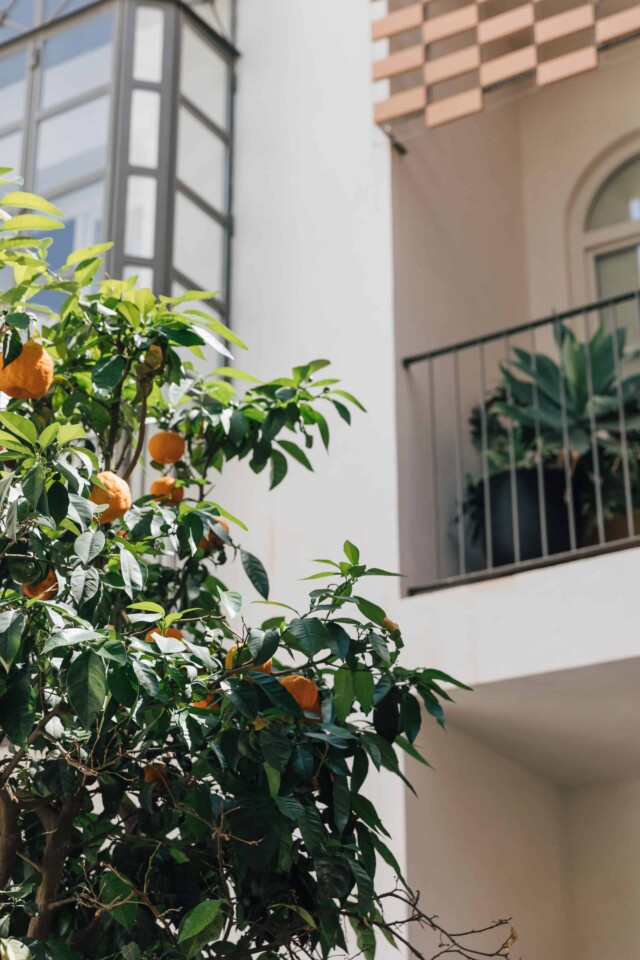
What almost no one knows is that this same fruit — the one growing in the gardens of the Royal Alcázar — travels to England every year. It arrives at the kitchens of Buckingham Palace. It becomes marmalade for King Charles III.
It’s been doing that for over 120 years.

A queen who missed breakfast
In the early twentieth century, Victoria Eugenia of Battenberg comes to Spain to marry King Alfonso XIII. She’s a granddaughter of Queen Victoria of the United Kingdom. She brings with her British habits, a British accent, and British nostalgia. And one very specific thing she misses: the bitter orange marmalade she’s always had at breakfast. The kind that in England isn’t a preference — it’s a given.
Someone notices that the Alcázar gardens are full of orange trees. That the fruit is famous for its quality. That it could be a gesture.
And so begins a tradition that survives two wars, several royal successions, and over a century of quiet history shared between two crowns.

The city with more orange trees than everywhere else
Seville has around fifty thousand orange trees spread across its streets, squares, and courtyards. No other city in the world has more. In spring, when they bloom, the scent of orange blossom takes over everything. It gets into your clothes, your hair, your memory. It’s the smell travelers think of years later when they think of Seville.
But these aren’t the oranges you drink for breakfast. They’re bitter. Inedible raw. Their purpose is different: the peel for liqueurs and perfumes, the blossoms for teas, the whole fruit for marmalade. Marmalade that, in its most unlikely version, ends up on toast at Buckingham Palace. At Plácido y Grata, we know this well — the courtyard smells the same every January, when the trees are heavy with fruit and the city is still quiet.

“It’s the smell travelers think of years later when they think of Seville”

What British visitors don’t know
Every year, thousands of British travelers come to Seville. They walk through the Alcázar, photograph the gardens, sit beneath the orange trees. Very few realize that the fruit hanging above their heads has a direct connection to their own breakfast table. That the marmalade they spread on toast before catching their flight might have been made from oranges grown in those very same gardens.
It’s the kind of thing that changes how you look at a tree. Or a courtyard.

The courtyard, the trees, the history
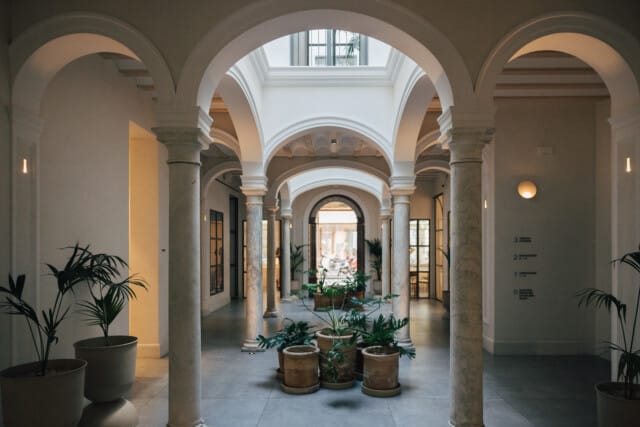
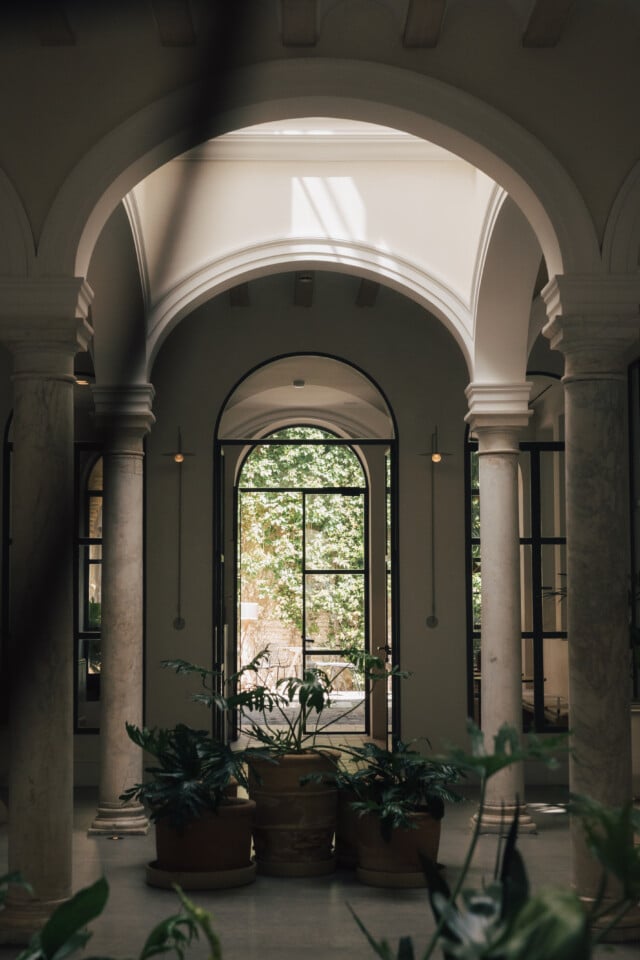
At Plácido y Grata, our courtyard has orange trees. They’re not from the Alcázar, and their fruit doesn’t travel to any royal palace. But they belong to the same tradition — the same tree that has defined the urban landscape of Seville for centuries. When you sit here in the morning with your coffee, you’re surrounded by that history without even knowing it.

Keep reading our stories